The best things to do in Sanur are mostly slow: watch the sunrise over the jukung boats (between about 6 and 6:30 all year), cycle the roughly 5 km car-free beachfront promenade on a hired bicycle from around IDR 30,000–50,000 a day, paddleboard or kayak the reef-calmed bay, browse the Sindhu market and the Le Mayeur Museum, book a massage for around IDR 100,000–200,000 an hour, and use the town as a base for day trips: Nusa Penida is 30–45 minutes by fast boat from Sanur Harbour, Ubud about an hour by car.
THE ESSENTIALS
How to spend your days
- Watch the sunrise
- Cycle the promenade
- Get on the water
- Markets, temples, a museum
- Eat, from warung to white tablecloth
- Spas and slow afternoons
- SUNRISE COAST
- 5 KM CAR-FREE PROMENADE
- KAYAK & PADDLEBOARD
- MARKETS, TEMPLES & A MUSEUM
- 30–45 MIN TO NUSA PENIDA
- ±1 H TO UBUD
Sanur is not a place with a checklist. There is no single landmark everyone photographs, and a day here is unlikely to appear in a highlights reel. What it has instead is a rhythm, one that most visitors find themselves following within about forty-eight hours.
READ MORESHOW LESS
It goes roughly like this. Up early, because the sunrise is genuinely the best hour and the heat has not arrived. Breakfast somewhere on the promenade. Swim, or walk, or ride. Retreat from the midday sun. Out again in the late afternoon, when the light softens and the beach refills. Dinner without needing to book a taxi.
Everything below fits into that shape rather than replacing it. The day trips are worth doing; the mornings are the reason people come back.
What is the best thing to do in Sanur?
Get up for the sunrise and walk or cycle the promenade before breakfast. It costs nothing, it is the reason the town faces the way it does, and it sets the pace for the rest of the day.
READ MORESHOW LESS
Sunrise lands between about 6 and 6:30 all year, so being on the sand by 05:45 never requires heroics. The beach at that hour is a working one: fishermen bringing the jukung outriggers in, boats being pushed up the sand, the promenade filling with walkers and runners. It is the least touristic hour of the day in one of Bali's most visited areas.
The promenade itself runs roughly 5 km between Matahari Terbit beach in the north and Mertasari in the south, flat and car-free the whole way. Riding it end to end takes well under an hour; most people stop for breakfast halfway instead. It is also the coolest part of the day by a wide margin, which matters more than most itineraries admit.
What water activities are there in Sanur?
Swimming in the calm bay, kayaking, stand-up paddleboarding, snorkelling trips out to the reef, and kitesurfing in the trade-wind months, roughly June to September. Surfing is not one of them: the reef takes the swell out.
READ MORESHOW LESS
The flat water is what makes Sanur unusual. Paddleboarding somewhere with a shore break is a lesson in falling over; here it is genuinely easy, which is why so many people try it for the first time in Sanur. Board hire from the beach outfits costs around IDR 100,000–200,000 an hour, kayaks similar, and mornings are best before the breeze picks up.
In the dry season the same breeze becomes the point: steady southeast trade winds of roughly 12–20 knots blow from about June to September, and Sanur is one of Bali's main kitesurfing spots, with schools working from the southern end of the beach.
Snorkelling is done from a boat out at the reef rather than from the sand, and conditions vary with tide and weather. The concierge can arrange trips, rentals and lessons on request.
Which markets should you visit in Sanur?
The Sindhu market, at the northern end of Jalan Danau Tamblingan, twice: at dawn as a produce market, and again in the evening when it turns into Sanur's night food market.
READ MORESHOW LESS
Early in the morning it is a working wet market, where households and restaurant kitchens buy fruit, vegetables and the morning catch. Come back from late afternoon and the same site becomes the Sindhu night market: rows of stalls grilling sate, frying nasi goreng and ladling out soups, at prices aimed at locals rather than visitors. It was renovated a few years ago and is cleaner and better organised than the phrase 'night market' may suggest.
Go hungry, bring small cash notes, and treat it as dinner rather than a sight. The busiest and best hours are early evening.
What can you do in Sanur away from the beach?
Walk the residential lanes for temples and everyday Balinese life, visit the small Le Mayeur Museum on the beachfront, see the turtle conservation centre on Serangan, and spend an afternoon at a spa.
READ MORESHOW LESS
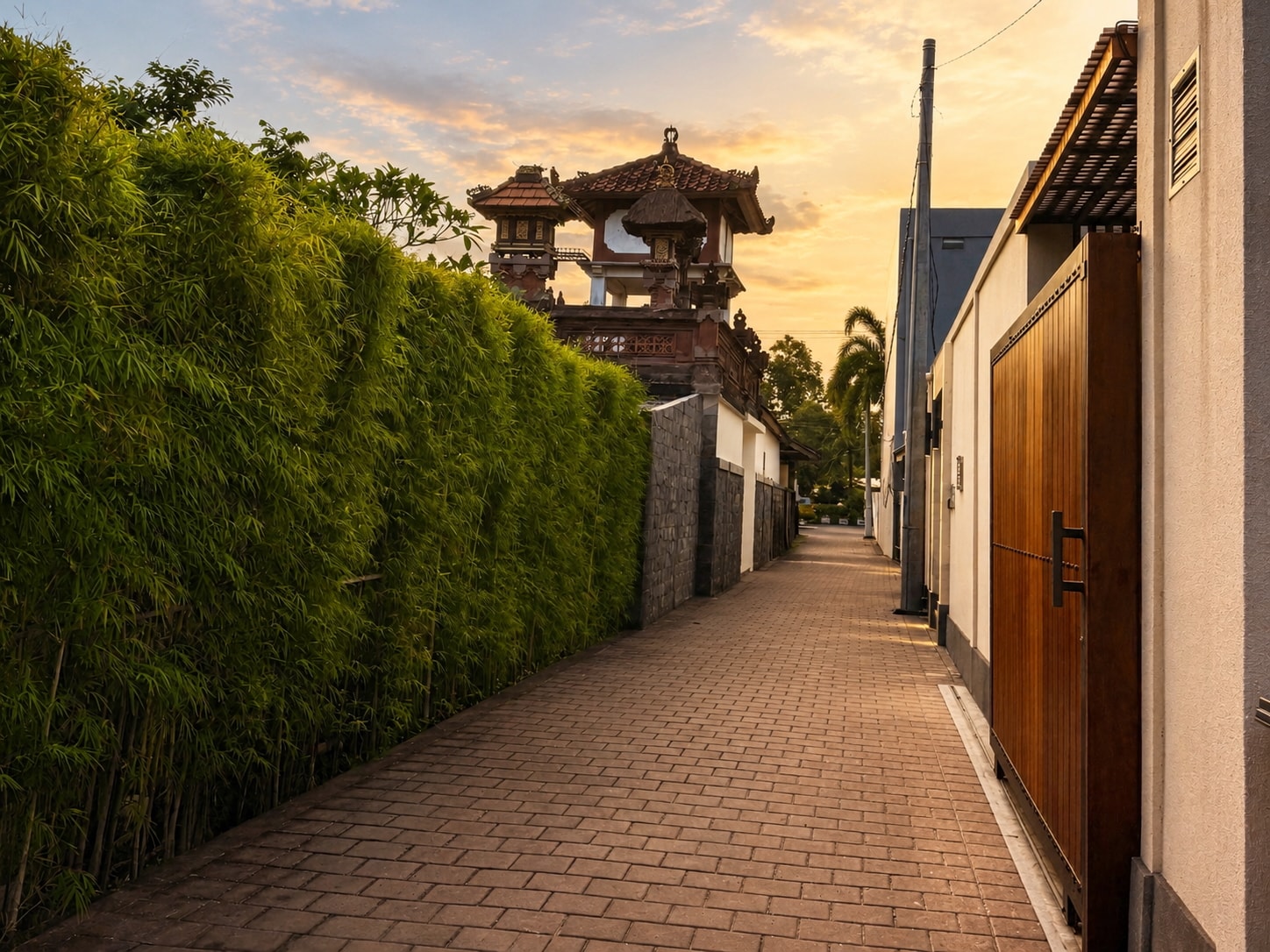
Sanur has real depth as a town rather than a resort strip, which means the lanes behind the beachfront are worth wandering. Offerings appear on doorsteps at dawn, temple gates punctuate the walls, and daily life carries on around the visitors rather than performing for them.
The Le Mayeur Museum, the former beachfront home of Belgian painter Adrien-Jean Le Mayeur and his Balinese wife and muse Ni Pollok, is Sanur's one genuine sight: a house of carved teak and paintings at the northern end of the beach. It keeps morning hours only, opening at 8 am and closing by early afternoon, earlier on Fridays, so pair it with a promenade ride. There is a small entrance fee; check locally.
A 15-minute drive south on Serangan island, the Turtle Conservation and Education Centre rehabilitates rescued sea turtles and is open daily, roughly 9 am to 5 pm. Entry is free with donations encouraged, and it is a far better answer to 'can we see turtles?' than any animal show.
There is also modern shopping nearby: Icon Bali is a few minutes by car from our villas, so a rainy afternoon or a forgotten charger does not require a trip into Denpasar.
What day trips can you take from Sanur?
Nusa Penida and Nusa Lembongan by fast boat from Sanur Harbour in 30–45 minutes, Ubud and the inland rice terraces by car in about an hour, and East Bali (Sidemen, the water palaces, the east-coast beaches) beyond it.
READ MORESHOW LESS
The Nusa islands are the trip Sanur is uniquely good for, because the boats leave from here rather than from an hour's drive away. Crossings run from early morning with departures throughout the day, take 30–45 minutes, and one-way tickets cost around IDR 150,000–250,000 depending on the operator. Nusa Penida is bigger and rougher than it looks, so plan for one side of the island in a day; Nusa Lembongan is gentler and easier. Our Sanur Harbour guide has the operators, the sailing times and the fares in full.
Ubud works well as a full day: temples, rice terraces, the market, and back before dinner. Going in the early morning avoids the worst of both the traffic and the crowds.
For any land trip, a private driver for the day is the standard option: expect around IDR 650,000–900,000 for a car, driver and fuel over 8–10 hours at 2026 rates. The concierge arranges it on request.
What is there to do in Sanur when it rains?
Sanur handles rain better than most beach towns: the wet season showers are usually short and in the afternoon, and there are spas, cafés, the Le Mayeur Museum, the Icon Bali shopping centre and a good restaurant scene to fill the gap.
READ MORESHOW LESS
November to March brings short tropical showers, generally in the afternoon rather than all day. A rainy hour in Sanur is a reason to sit somewhere with coffee, not a lost day. It is also when a villa with its own living room earns its keep.
Frequently asked questions
What is Sanur famous for?
Sunrise, its calm reef-protected swimming beaches, the roughly 5 km car-free beachfront promenade, and being Bali's original resort town.
Is one day enough in Sanur?
It is enough to see the beach and the promenade, but Sanur rewards staying rather than visiting: the sunrise, the cycling and the evening promenade are all part of a daily rhythm rather than a single outing.
Can you rent bicycles in Sanur?
Yes, easily, for around IDR 30,000–50,000 a day. The flat terrain and the car-free promenade make Sanur one of the best places in Bali to cycle, and our concierge arranges bicycles on request, including sizes for children.
How far is Ubud from Sanur?
Roughly an hour by car, traffic depending. A private driver for the day costs around IDR 650,000–900,000 including car and fuel, and can be arranged through the concierge.
How much does a massage cost in Sanur?
Around IDR 100,000–200,000 for an hour at the simple beachside salons, and roughly IDR 200,000–400,000 at mid-range spas. In-villa treatments can be arranged through the concierge; what else the villa arranges is answered on our FAQ page.
“The communications were fantastic. The villa was perfect for our three generation holiday. It was clean, well set up and had everything we needed. Getting transport was easy, but it was also an easy walk to the Main Street. The staff responded immediately to any concern, checking if it was ok for them to clean and always keeping our water full.”
Where Oasis fits in
A base that fits the rhythm
Oasis Residences sits on a quiet gated lane less than a ten-minute walk from Sanur Beach, which is what makes the early mornings and late afternoons practical rather than a plan. Each villa has three en-suite bedrooms and its own private pool for the hours in between, and the concierge arranges bicycles, drivers, boat tickets, spa treatments and restaurant reservations on request.